


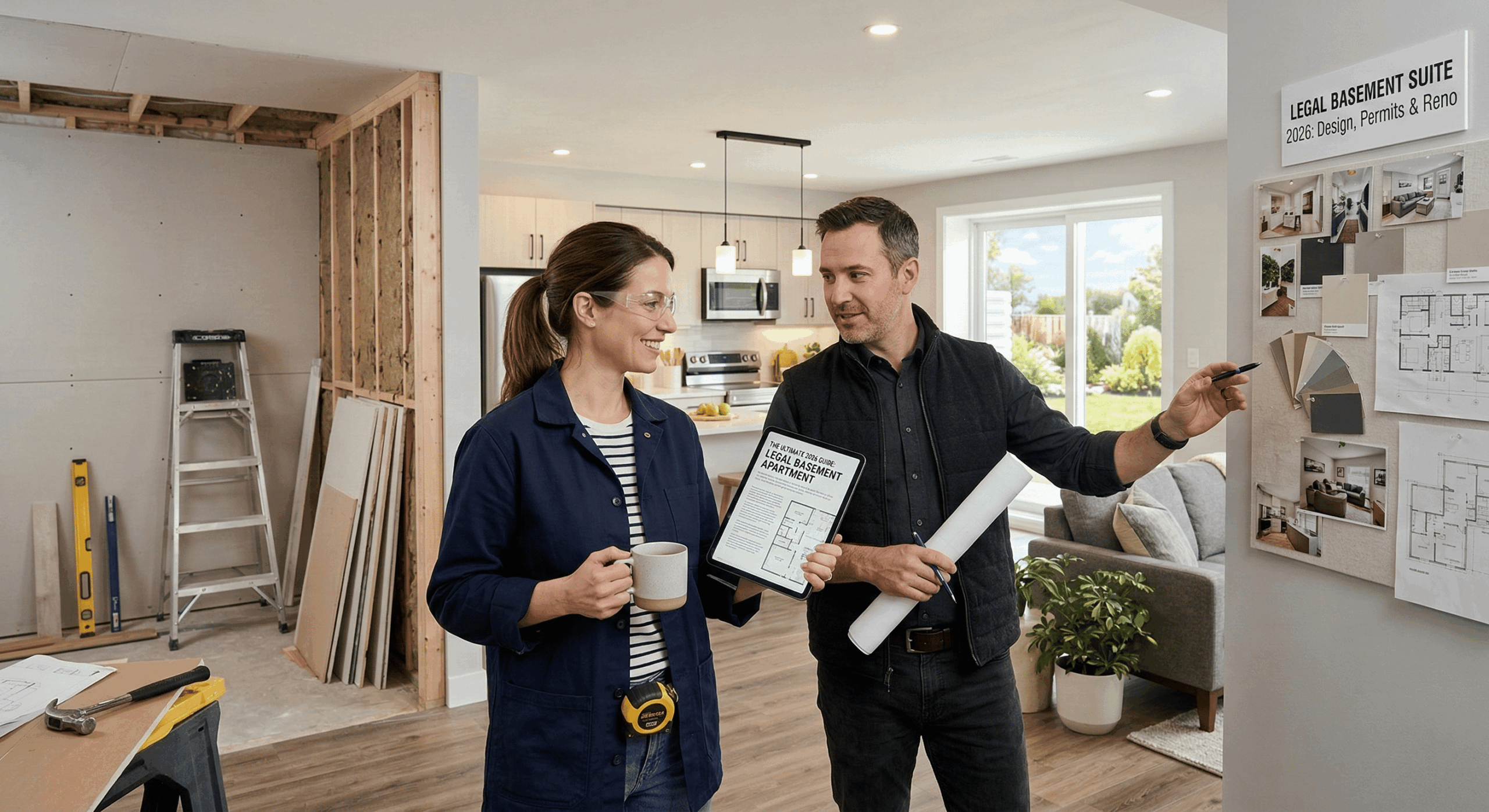
How to Turn Your Lower Level Into a Profitable Income Suite
Have you looked at the real estate market lately? It is certainly no secret that living costs are climbing, and savvy homeowners are constantly looking for clever ways to offset their mortgages. If you are currently sitting on an unfinished or underutilized lower level, you are literally sitting on a hidden goldmine. Transforming that dark, dusty storage space into a legal basement apartment Ontario is hands-down one of the smartest financial moves you can make this year. It is like having a money-printing machine right right under your feet!
But let us be completely real for a moment. Navigating the municipal red tape, building codes, and permit applications can feel like trying to solve a Rubik’s cube blindfolded. It is overwhelming, stressful, and one wrong move can cost you thousands of dollars in fines. That is exactly why we put together this comprehensive guide. We are going to walk you through everything you need to know to make your renovation journey smooth, profitable, and completely stress-free.
Why Creating a legal basement apartment Ontario is a Game-Changer
You might be asking yourself if all the dust, noise, and upfront investment are really worth it. The short answer is an absolute yes. Think of your home as a stock portfolio. Right now, your basement is just dead equity. By finishing it properly, you are not just adding livable square footage; you are fundamentally changing the earning potential of your property.
When you create a legal basement apartment Ontario, you instantly unlock a reliable stream of passive income. Whether you rent it out to young professionals, students, or even use it as a comfortable in-law suite for aging parents, that monthly rent check can cover a massive chunk of your mortgage. Furthermore, when it comes time to sell, buyers are actively hunting for properties with income potential. Homes with compliant, registered second suites sell much faster and for a significantly higher premium than those without.
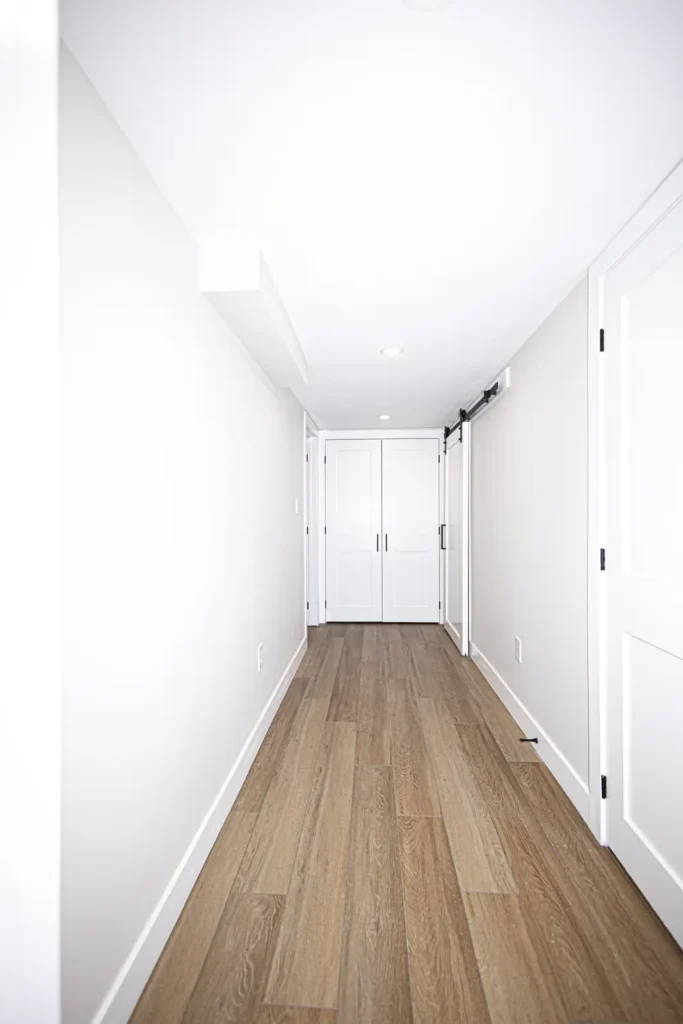
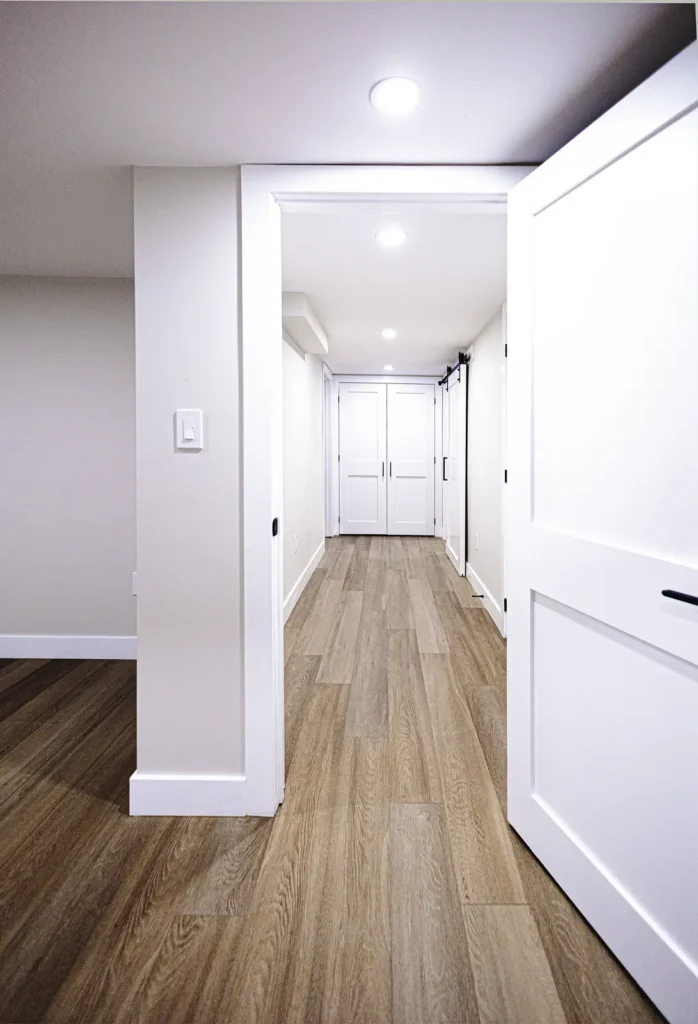
Demystifying the second suite requirements 2026
Alright, let us get into the nitty-gritty. You cannot just throw up some drywall, add a hot plate, and call it an apartment. The municipalities take safety very seriously, and the rules are constantly updating. To ensure your project is completely above board, you must strictly adhere to the second suite requirements 2026. These regulations are designed to protect both you as the landlord and your future tenants.
Ignorance is not bliss in the construction world; it is usually a massive fine waiting to happen. Before a hammer even swings, your design must be approved by the city. Let us break down some of the most critical elements you will need to tackle.
Fire Safety and Egress: Non-Negotiable Upgrades
If there is one area where building inspectors have zero sense of humor, it is fire safety. Under the current second suite requirements 2026, you absolutely must have continuous fire separation between the main house and the basement unit. This typically means specialized fire-rated drywall on the ceilings and shared walls, as well as solid core doors with self-closing hinges.
Equally important are the egress windows. If a fire blocks the main door, your tenant needs a safe way to escape. The windows must meet specific size dimensions to allow a fully grown adult to easily climb out. Additionally, interconnected smoke and carbon monoxide detectors must be hardwired into both units so that if an alarm goes off downstairs, you hear it upstairs immediately.
Ceiling Height, Plumbing, and HVAC Rules
Nobody wants to live in a cave where they have to duck to walk around. The second suite requirements 2026 mandate a minimum ceiling height for the living areas. If your home is older and has low clearance, you might be looking at underpinning, which is the process of lowering the concrete floor.
Then there is the air quality and climate control. You cannot just tap into your existing furnace without a proper plan. Often, you need a dedicated HVAC system, separate ductwork with fire dampers, or electric baseboard heaters to ensure the basement has independent temperature control. Upgrading your electrical panel to handle the extra appliances is also usually necessary to prevent overloaded circuits.
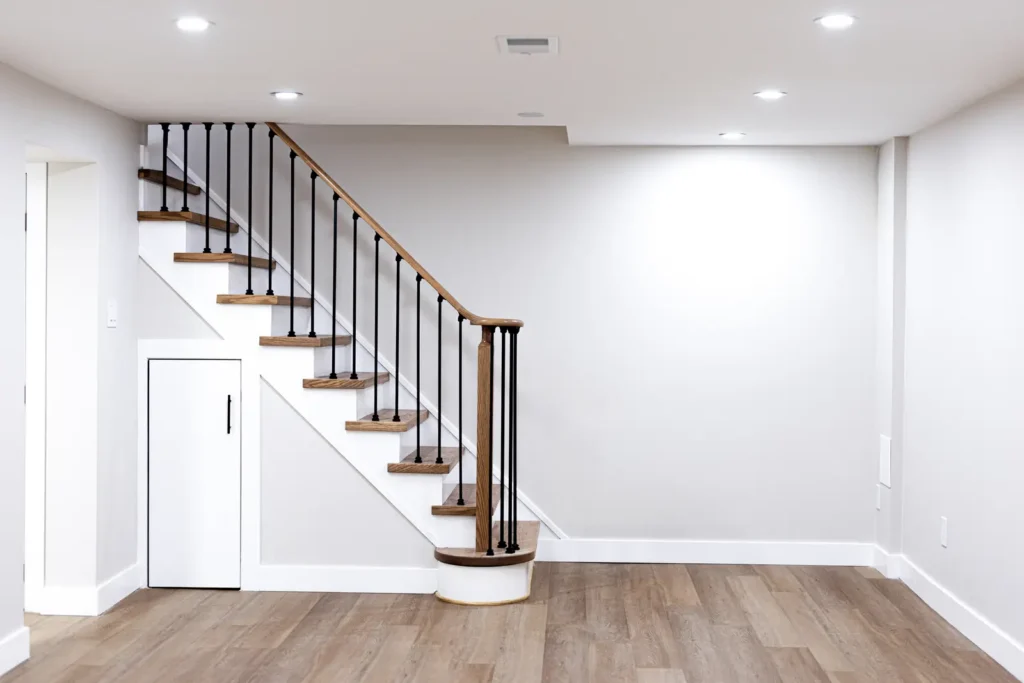
The Risks of DIY: Why You Need a Professional basement apartment contractor
We have all watched those weekend home makeover shows where a couple remodels a whole house in 48 hours with a smile on their faces. Reality check: that is television magic. Undertaking a project of this magnitude on your own or hiring your cousin’s friend who “knows a bit about carpentry” is a recipe for absolute disaster.
When dealing with structural changes, plumbing trenches, and complex electrical grids, you need a seasoned basement apartment contractor. A professional does not just swing a hammer; they manage risk. They know exactly how to pull the right permits, coordinate inspections, and keep the project moving forward without costly delays. Trying to cut corners with an unlicensed handyman will almost certainly result in the city shutting your project down.
Navigating Zoning and Permits
Before you even dream of picking out paint colors, you have to deal with the municipality. Are you even zoned for a multi-dwelling unit? Every city has different bylaws regarding parking spaces, lot sizes, and entrance locations. A specialized basement apartment contractor will handle the entire permit application process for you. They will work with architects to draft the required blueprints, submit them to the city, and answer any technical questions the zoning department might have. This alone saves you weeks of headaches and countless trips to the building department.
Partnering with Element Home Solutions for Your Renovation
This is where we step in to make your life infinitely easier. At Element Home Solutions, we do not just build rooms; we build profitable investments. If you want to explore how we can help, visit us at https://www.elementhomesolutions.ca/ to see our portfolio. We have spent years mastering the local building codes, and we know exactly what it takes to get a project approved and completed on time.
We understand that opening your home to a construction crew is disruptive. That is why we prioritize clear communication, maintaining a clean worksite, and sticking strictly to our agreed-upon timelines. We treat your home with the exact same respect we would treat our own.
What Sets Our Team Apart?
Finding a reliable basement apartment contractor can feel like finding a needle in a haystack. You want someone who is transparent, fully insured, and actually answers their phone. Our team prides itself on an end-to-end service model. From the initial 3D design concept to the final coat of paint and the ultimate city inspection, we manage every single moving part.
We also believe in absolute pricing transparency. No hidden fees, no surprise invoices halfway through the project. We provide a detailed, line-by-line quote so you know exactly where every dollar of your investment is going. If you are curious about our specific approach to lower levels, check out our dedicated service page at https://www.elementhomesolutions.ca/basement-renovation/ for more details.
The Journey to Your New Income Suite: A Step-by-Step Look
Curious about how the magic actually happens? We believe in keeping our clients fully informed at every stage. Here is a simplified breakdown of the process when you decide to build a legal basement apartment Ontario with our team:
| `Project Phase | What Happens During This Time | Estimated Timeline |
| 1. Consultation & Design | We assess your space, discuss your goals, and draft architectural blueprints. | 3-7 Days |
| 2. Permits & Approvals | We submit the plans to the city and handle all back-and-forth communication. | 2 – 4 Weeks (City dependent) |
| 3. Demolition & Framing | Tearing down old structures and building the skeleton of your new layout. | 3-7 Days |
| 4. Rough-Ins | Installing plumbing, electrical, and HVAC systems behind the walls. | 3-7 Days |
| 5. Inspections & Insulation | City verifies the rough-ins, followed by spray foam or batt insulation. | 1-7 Days |
| 6. Drywall & Finishes | Taping, mudding, painting, flooring, and installing the kitchen and bathroom. | 5-10 Days |
| 7. Final Walkthrough | Final city inspection, cleanup, and handing over the keys to your new suite. | 1-3 Days |
Please note: Timelines are estimates and can vary based on the size of the project and municipal permit processing times.
Maximizing Your ROI: Design Tips for Rental Success
If your goal is to attract high-quality tenants who pay premium rent, the design matters just as much as the structural integrity. People want to live in spaces that feel like homes, not dungeons. Light is your best friend here. Even with the mandated egress windows, you should invest in abundant, bright LED pot lights to make the space feel expansive and welcoming.
Choose durable, water-resistant flooring like luxury vinyl plank (LVP). It looks exactly like hardwood but can withstand the inevitable spills and potential moisture of a lower-level unit. Keep the paint colors light and neutral—think soft whites and pale grays. This creates a blank canvas for the tenant and makes the rooms feel much larger than they actually are.
The Kitchen: The Heart of the Rental
You do not need to install marble countertops and a six-burner gas stove, but a highly functional, clean kitchen is a major selling point. Focus on clever storage solutions, durable quartz or butcher block counters, and reliable stainless steel appliances. An open-concept kitchen that flows directly into the living area is heavily favored by modern renters. By creating a beautiful space, you justify a higher rental price, ensuring your legal basement apartment Ontario pays for itself much faster.
Let’s Build Something Great Together
Are you ready to stop leaving money on the table and start maximizing the true potential of your property? Navigating the second suite requirements 2026 doesn’t have to be a nightmare when you have the right team by your side. We have helped countless homeowners across the province turn their dark, unused spaces into beautiful, compliant, and highly profitable living areas.
Don’t trust your home’s equity to just anyone. You need a dedicated basement apartment contractor who guarantees quality and compliance. We would love to chat with you about your vision and provide a realistic assessment of what is possible in your home. Let’s make this the year you finally unlock your property’s hidden income!
Would you like me to schedule a free, no-obligation consultation to review your space? Reach out to us today at +1 (647) 649-9404, shoot us an email at info@elementhomesolutions.ca, or fill out the quick form at https://www.elementhomesolutions.ca/contact/. Your profitable new suite is just a phone call away!
FAQs About Legal Basement Apartment
The cost can vary wildly depending on the current state of your space, the square footage, and the finishes you choose. On average, you can expect to invest anywhere from $40,000 to $160,000+. This includes architectural drawings, permits, fireproofing, plumbing, and all construction. While it seems like a big number, the rental income usually pays off the investment within a few years. At Element Home Solutions, we provide detailed, transparent quotes so you know exactly what to expect.
Technically, people do it, but it is highly illegal and incredibly risky. If a neighbor complains or if there is a fire, the city will shut you down, force you to evict your tenant, and hit you with massive fines. Plus, your home insurance likely won’t cover any damages if the unit isn’t legally registered. It is always better to work with a knowledgeable team like ours to get it done right the first time.
In almost all municipalities in Ontario, yes, a separate, dedicated entrance is required for a legal secondary dwelling. This ensures the tenant has safe, independent access and a clear escape route in case of an emergency. If your home doesn’t currently have a separate side or walk-out door, our construction team can excavate and install a secure, compliant separate entrance as part of your renovation project.
Under the current Ontario Building Code, the minimum ceiling height for a finished basement apartment is generally 6 feet 5 inches (1.95 meters) over at least 75% of the required floor area. However, it’s always best to aim higher if possible for comfort. If your ceilings are too low, we can discuss underpinning options to lower the floor and create a spacious, compliant living area.
This is often the most frustrating part for homeowners! Depending on your specific municipality in Ontario, securing building permits can take anywhere from 2 to 4 weeks, sometimes longer if the zoning office is backed up or if committee of adjustment approvals are needed. When you hire us, we handle all the paperwork and follow-ups with the city inspectors, allowing you to relax while we push the red tape through as fast as possible.